TL;DR:
Many homeowners in Kimberly and Filer assume their lot is too small for an ADU. In most cases, what matters is not raw square footage but whether your lot can meet setback requirements and stay within lot coverage limits after accounting for existing structures. Prefab and compact custom designs are especially well-suited for tighter lots. Unlike Twin Falls, Kimberly and Filer fall below the population threshold for Idaho's new SB 1354 ADU protections, so your project is governed entirely by your town's municipal zoning code. A feasibility check is the fastest way to get a definitive answer for your specific property.
Your Lot Might Qualify Even If It Feels Too Small
If you own a smaller lot in Kimberly or Filer and you have been wondering whether you can actually build an ADU on it, you are not alone. This is one of the most common questions we hear from Magic Valley homeowners, and the honest answer is: yes, more often than you would think.
The concern makes sense. A compact backyard, a narrow side yard, maybe a detached garage already eating up space. It can feel like there is simply no room. But small-lot ADU construction in Kimberly, Filer, and the surrounding Twin Falls area is very doable when you know the rules and work within them.
What "Small Lot" Actually Means in Practice
In the Magic Valley area, a lot that feels small to you might still clear the minimum thresholds for an ADU. A few key factors matter more than raw square footage.
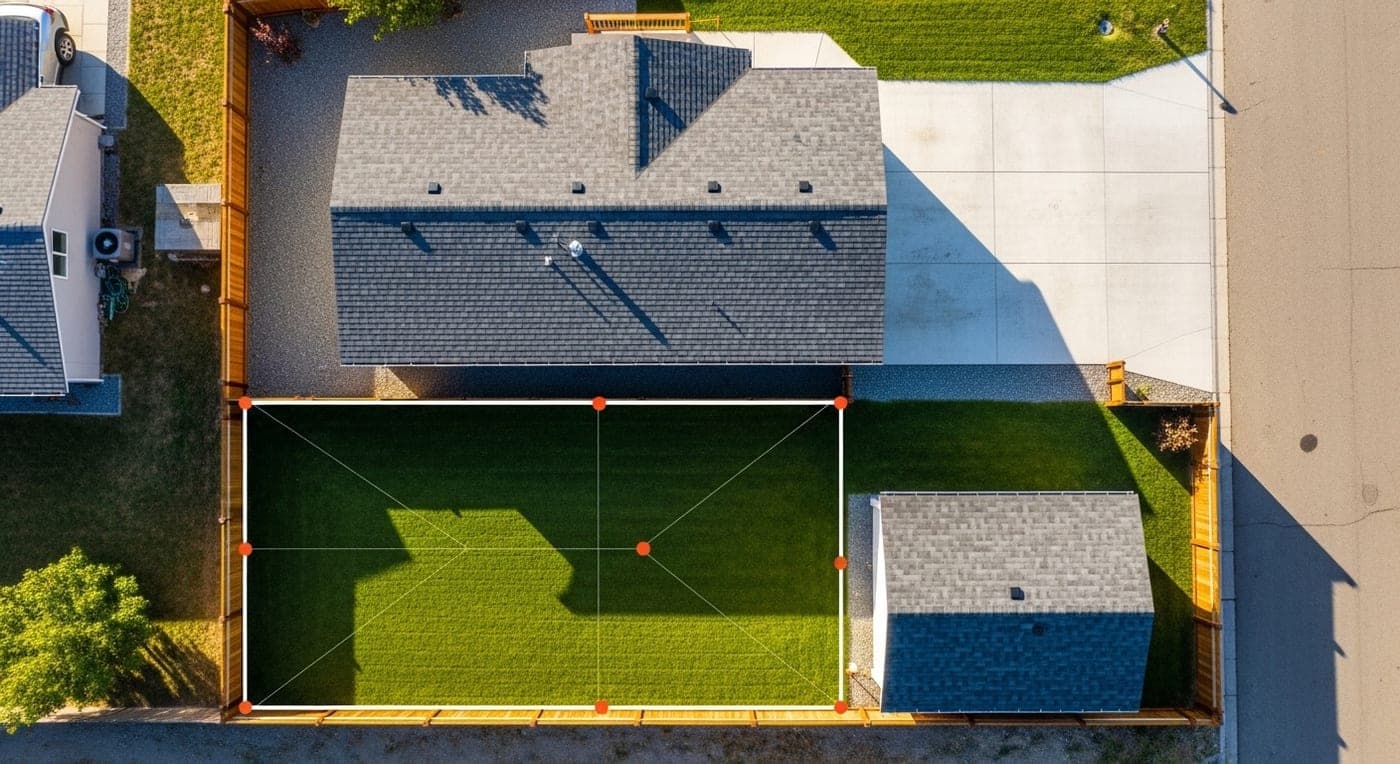
Rear setbacks. Most small cities in this region require a structure to sit a certain number of feet from the back property line. That number varies by municipality, but even after accounting for it, many lots still have usable space in the rear yard. Confirm your specific rear setback with Kimberly or Filer city hall before making assumptions.
Side setbacks. These can be tighter, sometimes narrow enough that a detached ADU tucked along a side yard is possible even when it does not look obvious from the street. Again, the exact number depends on your zoning district.
Lot coverage. This is the percentage of your lot that can be covered by structures. If your existing home and garage do not max that number out, you may have room to add square footage. This is the calculation that surprises homeowners most often. A lot that looks full at ground level may still have 15 to 20 percent of its allowable coverage unused.
Height limits. A single-story ADU or a low-profile prefab unit often sidesteps height concerns entirely, which makes it a practical option on compact lots where a two-story structure would feel imposing or violate code.
Utility access. Electric, gas, water, and sewer all need to reach the new unit. On a smaller lot, the routing is shorter, which can actually reduce utility connection costs compared to a large property where the ADU sits far from the main lines. But the capacity of your existing systems still needs to be confirmed.
The common thread: none of these factors require a large lot. They require a lot where the remaining buildable area, after setbacks and existing structures, is enough to fit a well-designed unit. That is a question a feasibility check answers definitively.
What Idaho Law Does and Does Not Protect for Kimberly and Filer
This is where Kimberly and Filer homeowners need to understand something that most ADU content online gets wrong.
In March 2026, Governor Little signed SB 1354 into law, which is a sweeping ADU reform that prevents local governments and HOAs from banning ADUs, guarantees at least one ADU per lot, and bars local rules that impose maximum size caps. This is genuinely strong legislation. But it only applies to cities with a population over 10,000.
Kimberly's population is approximately 5,000 to 6,000. Filer is roughly 2,500 to 3,000. Neither town meets the threshold. SB 1354 does not apply to your property if you live in either city.
The older law, Idaho House Bill 166 (2023), is narrower than most summaries suggest. It only covers "internal accessory dwelling units," meaning units inside a home or its garage, and it only prevents HOAs from strictly prohibiting them. It does not restrict cities or counties from setting their own ADU rules.
The practical takeaway: if you are building in Kimberly or Filer, your project is governed by your town's municipal zoning code. There is no state-level guarantee that your lot qualifies. That makes the feasibility check more important, not less, because you need to confirm what your specific municipality allows before investing in design.
For homeowners in Twin Falls (population ~50,000), Jerome (~13,000), or Burley (~11,000), SB 1354 does provide broader protections. We cover how these laws affect Twin Falls ADU projects in detail here.
Prefab and Compact Designs: Your Best Options on a Tight Lot
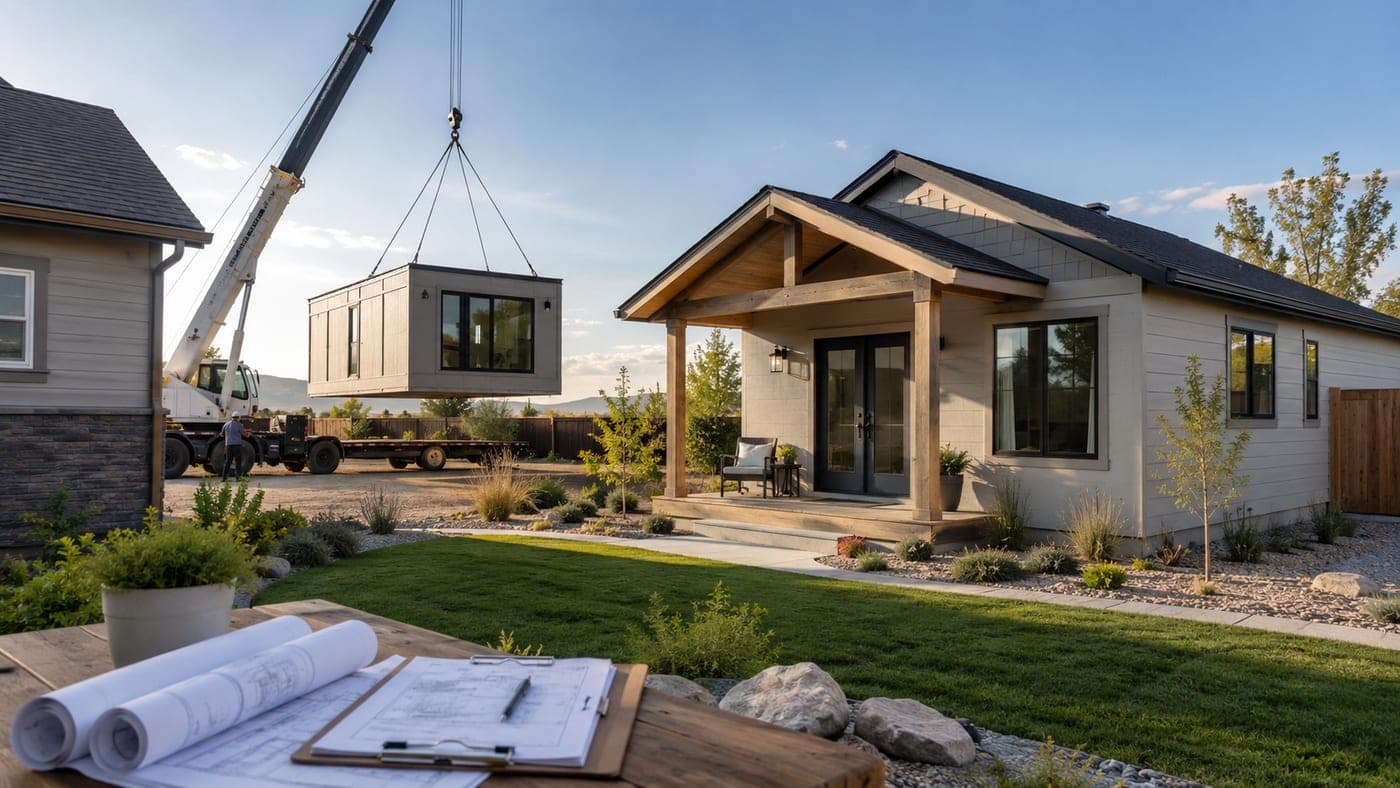
One of the most practical solutions for smaller lots is a prefab or modular ADU unit. These are built off-site to precise dimensions and placed on a prepared foundation, which means less on-site construction disruption, tighter cost control, and faster timelines.
More importantly for small lots, a prefab unit's exact dimensions are known before it arrives. You can confirm that the unit fits within your setbacks and coverage limits with certainty before anything ships. There is no guesswork about whether framing will encroach on a setback line because the building is already built to spec.
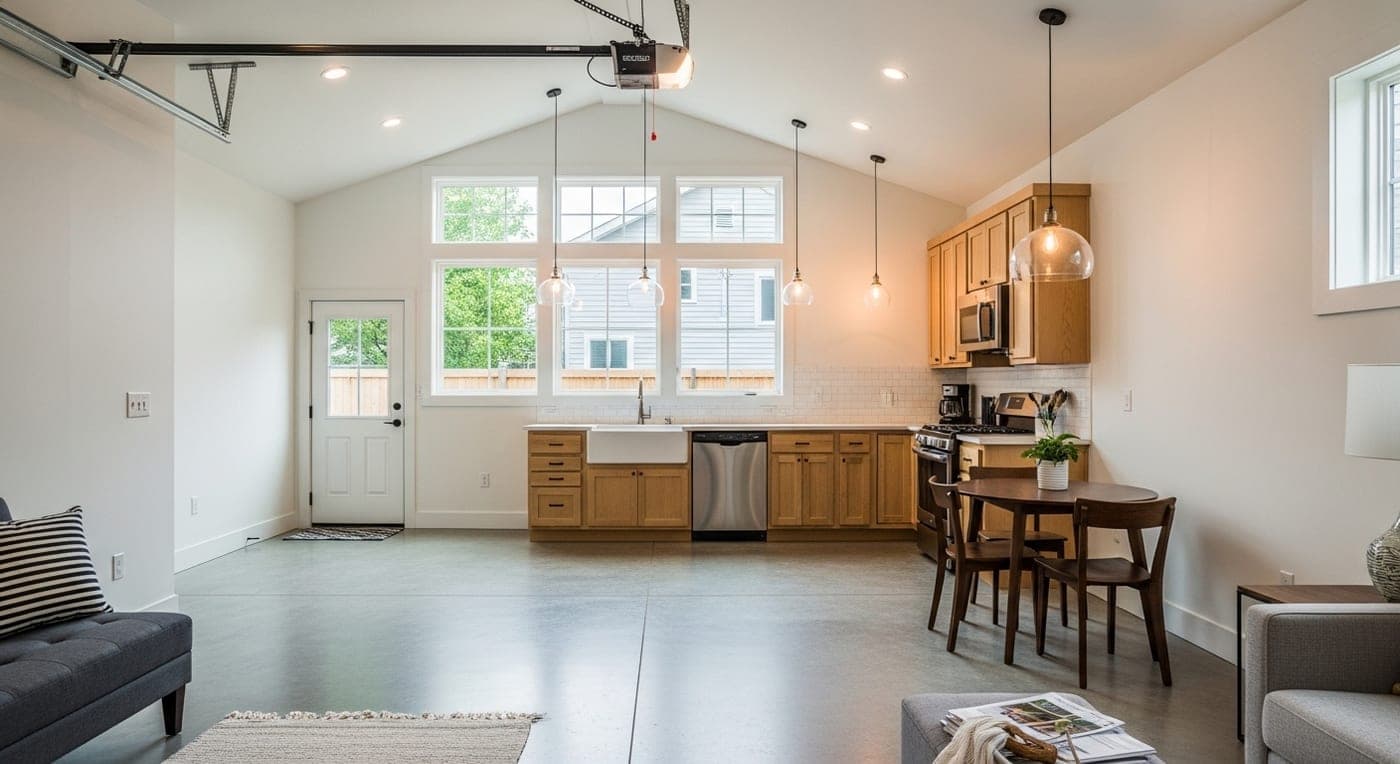
A well-designed 400 to 600 square foot prefab unit can comfortably house one or two people, rent well in the current Magic Valley market, and fit into spaces that a traditional stick-built structure could not. We have seen these work on lots that homeowners assumed were completely off the table.
Custom compact designs are another route. A skilled designer can orient a small ADU to maximize natural light, privacy, and function while staying within every setback and coverage rule. Some of the most successful rental units in this area are under 550 square feet. The footprint does not have to be large to be livable.
What the Numbers Look Like for Kimberly and Filer
A 500 square foot ADU in Kimberly or Filer, built efficiently, might land somewhere in the $120,000 to $160,000 range depending on finish level, utility connections, and site conditions. That is based on our project experience in the Magic Valley. At current rental rates in the area, a well-located one-bedroom unit can generate $800 to $1,050 per month.
That rental income can offset most or all of a construction loan payment, depending on your financing terms. We walk through ADU financing options in detail in a separate post, including how FHA, Fannie Mae, and Freddie Mac programs now allow lenders to count ADU rental income toward loan qualification.
On the property value side, the American Planning Association notes that research to date does not support fears about ADUs lowering property values or creating parking shortages, and there are indications that ADUs increase the supply of affordable housing. Adding a legal, permitted rental unit to your property typically makes it more attractive to future buyers, not less.
How to Find Out If Your Lot Qualifies
The path from "maybe" to a definitive answer is shorter than most homeowners expect.
Step 1: Gather your basics. Pull your property deed. Look up your parcel on the Twin Falls County GIS system. Note your lot dimensions, zoning designation, and any recorded covenants or easements.
Step 2: Check with your city. Call Kimberly or Filer city hall and ask specifically about ADU allowances in your zone, including minimum lot size, side and rear setbacks, maximum lot coverage, and any owner occupancy requirement. Get the answers in writing if possible.
Step 3: Assess your existing footprint. Walk your property and note where your home, garage, driveway, and any other structures sit relative to the property lines. Estimate how much of your lot coverage is already used.
Step 4: Get a professional feasibility check. A feasibility check takes everything from steps 1 through 3 and turns it into a definitive answer: yes this works, here is how, here is a rough budget. It also catches issues that are not visible from the surface, like utility capacity constraints or easements that affect buildable area.
If you want to understand what your soil conditions mean for your foundation before committing to design, we cover why soil testing matters and how it fits into your timeline here.
Ready to Find Out What Your Small Lot Can Do?
If you have been sitting on the question of whether your Kimberly or Filer lot can support an ADU, the best next step is finding out for certain. Twin Falls ADU Guys offers a free Readiness Call that takes 10 to 15 minutes. We will ask about your property, your goals, and your timeline, then tell you honestly whether what you are picturing is realistic. We also offer a detailed feasibility check that covers zoning, setbacks, utility access, lot coverage, and budget expectations.
We serve homeowners across Twin Falls, Jerome, Burley, Rupert, Filer, Buhl, Kimberly, Gooding, and Hagerman.
You can schedule your Readiness Call at twinfallsaduguys.com or call us directly at (208) 613-9830.
Frequently Asked Questions
What is the minimum lot size to build an ADU in Kimberly or Filer?
There is no single universal minimum because it depends on the zoning district and the specific dimensions of your lot. What matters most is whether the ADU can meet setback requirements and stay within the lot coverage limit after accounting for your existing structures. Call your city hall to confirm the specific rules for your parcel.
Does Idaho's new ADU law (SB 1354) apply to Kimberly or Filer?
No. SB 1354 only applies to cities with a population over 10,000. Both Kimberly and Filer fall below that threshold. Your ADU project is governed by your town's own municipal zoning code. The older law, HB 166 (2023), only covers internal ADUs inside a home or garage and only limits HOA restrictions, not city regulations.
Can my HOA block me from building an ADU?
Under HB 166, HOAs cannot strictly prohibit internal ADUs (units inside your home or garage) on owner-occupied homesteads. They can still set reasonable rules about size, height, and design. For a detached backyard ADU, HB 166 does not apply, and your HOA's covenants would need to be reviewed individually. Check your CC&Rs before investing in design.
Is a prefab ADU a good option for a small lot?
Often yes. Prefab units are built to precise dimensions, which makes it straightforward to confirm they fit within your setbacks and coverage limits before anything arrives on site. They also tend to have shorter build timelines and more predictable costs. The key is confirming that site access, utility connections, and foundation requirements support a prefab installation on your specific lot.
How long does the whole process take from feasibility to move-in?
For a straightforward small-lot ADU in the Kimberly or Filer area, the full timeline from feasibility check through construction completion is typically 6 to 12 months. Permitting timelines vary by municipality. Prefab units can compress the construction phase significantly compared to traditional builds. We break down the full ADU timeline in detail here.
Will adding an ADU hurt my property value?
The evidence suggests the opposite. The American Planning Association has found that research does not support fears about property value decline from ADUs. Adding a legal, permitted rental unit typically makes your property more attractive to future buyers by providing an income-producing asset and additional living flexibility.
What if my lot turns out to be too small?
It happens, and a good feasibility check will tell you early before you have spent money on design. If a detached ADU does not fit, you may still have options. An internal conversion (garage, basement, or bonus room) has a much smaller footprint impact and may work on lots where a detached unit cannot. HB 166 provides some HOA protection specifically for these internal conversions.
Twin Falls ADU Guys Team
Twin Falls ADU Guys