TL;DR:
A geotechnical soil test costs $800 to $2,000 and tells your engineer what is actually underground on your lot. Without it, your foundation design is based on assumptions that can lead to cracked slabs, settling, or costly re-engineering mid-build. In Twin Falls and the Magic Valley, soil conditions vary significantly by neighborhood, from volcanic basalt near the Snake River Canyon to clay-heavy subsoil and poorly draining silt in other areas. A soil test is one of the cheapest line items in your ADU budget and one of the most consequential.
What a Soil Test Actually Tells You
A geotechnical soil test, sometimes called a geotech report or soil boring report, analyzes what is underground on your specific lot. It gives your structural engineer and builder data on soil density, moisture content, whether the soil contains expansive clay, and how deep you need to go to reach stable bearing ground.
In Twin Falls and the broader Magic Valley, soil conditions vary more than most homeowners expect. Lots near the Snake River Canyon tend to have volcanic basalt close to the surface. Properties further north toward Shoshone can have silty loam that drains poorly. Some neighborhoods sit on clay-heavy subsoil that swells when wet and shrinks when dry. None of these is automatically a problem, but each requires a foundation design that accounts for what is actually there.
Without soil data, your structural engineer is working from assumptions. They will either default to conservative (and expensive) specs to cover worst-case scenarios, or they will underdesign and the problems show up later as cracked slabs or settling foundations. The National Association of Home Builders recognizes foundation work as among the highest-cost residential repair categories. Typical foundation repairs range from a few thousand dollars for minor cracks to $15,000 or more for severe structural work, and full replacements can reach well beyond that. A soil test that costs $800 to $2,000 is cheap insurance against those numbers.
What Can Go Wrong Without a Soil Test
These are not hypotheticals. They are patterns that show up in residential construction across Idaho every building season.
Expansive clay surprise. Some parts of Twin Falls have clay-heavy subsoil that swells when wet and shrinks when dry. A slab poured without accounting for this will crack. Remediation on a failed foundation can cost $15,000 to $30,000 or more, depending on how the foundation was built and how far the damage has progressed.
Shallow bedrock conflict. Near the canyon rim and some older residential areas, basalt sits close to the surface. Without a boring report, you might specify a standard depth footing that hits rock early and requires blasting or re-engineering on the fly. Both options are expensive and time-consuming.
Saturated fill material. Some lots, especially in areas that were previously agricultural or subdivided from larger parcels, have fill that was placed years ago without engineering oversight. That fill can compress unevenly under a load-bearing structure, causing differential settling that damages walls, doors, and finishes.
Drainage and frost heave. The Twin Falls County Building Department builds to the 2018 International Residential Code with Idaho Amendments, which specifies a 24 inch frost depth for the area. A soil test informs where your footings need to reach to stay below the frost line in your specific soil type. Getting this wrong causes seasonal heaving that damages the structure over time.
Stormwater and runoff problems. The EPA requires construction stormwater management precisely because poor site assessment can lead to drainage problems that affect both the property and surrounding areas. Soil permeability data from a geotech report directly informs how your ADU site will handle water runoff, which is something Twin Falls building inspectors pay close attention to during plan review.
How a Soil Test Works
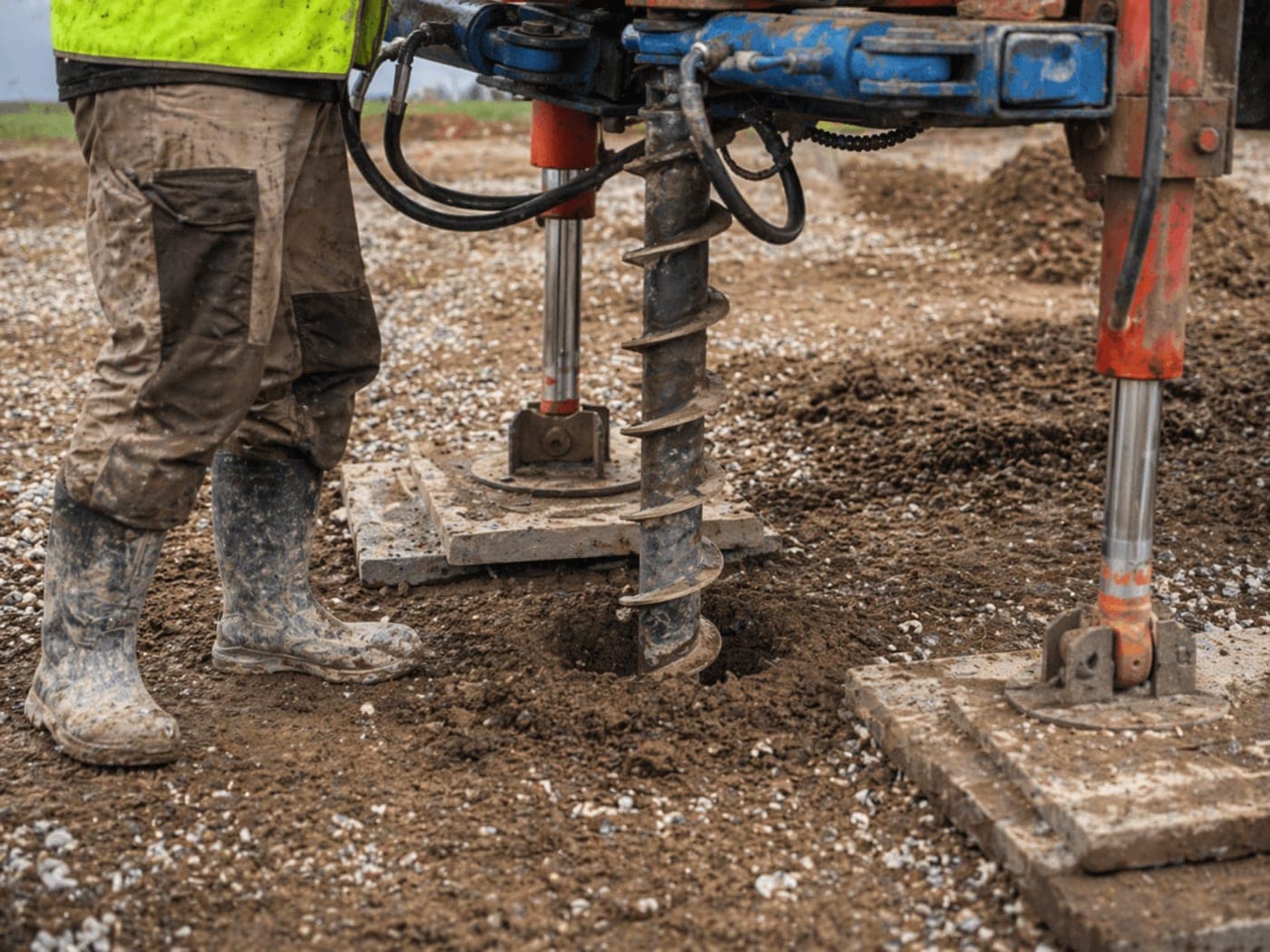
The process is straightforward. A geotechnical firm sends a drill rig to your property and takes one or more soil borings, which are vertical core samples pulled from the ground at the proposed building location. The depth and number of borings depend on the size of the project and the complexity of the site. For a residential ADU, one to two borings is typical.
The samples go to a lab for analysis. The firm then produces a written report that covers soil classification, bearing capacity, moisture content, compaction characteristics, and foundation recommendations. The report usually comes back one to two weeks after the field work is completed.
Your structural engineer uses this report to design the foundation. Instead of guessing or over-building, they can specify the right footing depth, the right reinforcement, and the right drainage provisions for what is actually in the ground on your lot. That precision saves money on the foundation itself and prevents expensive problems down the road.
When to Test
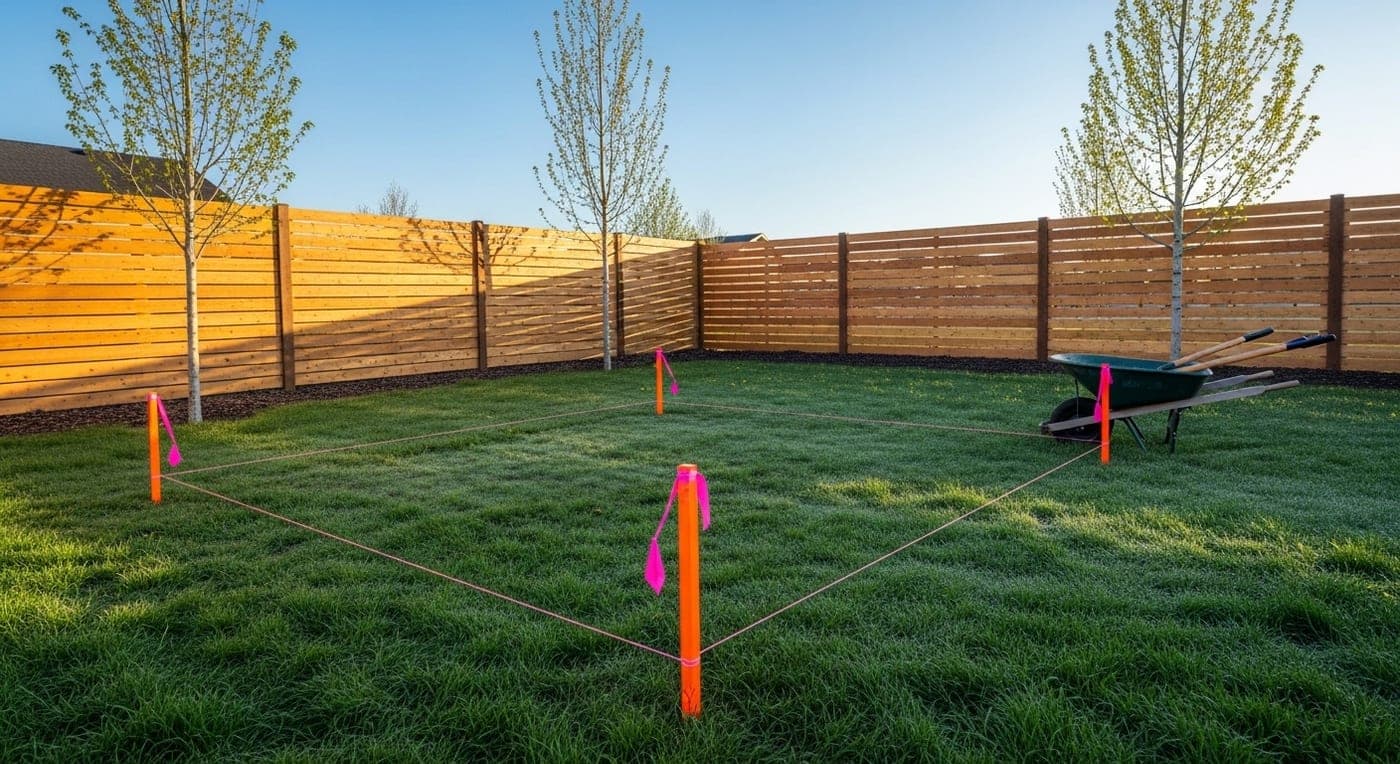
The best time to test is during the feasibility and site assessment phase, before you invest in architectural design or submit for permits. Soil data can influence fundamental decisions about your ADU, including where on the lot to place it, whether a slab-on-grade or crawlspace foundation makes more sense, and what the foundation will cost.
If you can schedule your test during a period when the ground is saturated from rain or snowmelt, you get the added benefit of seeing how the soil performs under high-moisture conditions. That gives your engineer confidence that the foundation design accounts for the worst case, not just average conditions.
The key point is that soil testing happens early. It is not something to squeeze in after design is finished or after permits are submitted. By then, your foundation plan is already locked in, and discovering a soil problem means redesign, resubmission, and lost time.
How the Soil Test Fits Into Your ADU Timeline
Soil testing is not a separate process that adds months to your project. It runs in parallel with other early-phase work and actually speeds things up by preventing surprises later.
During feasibility (weeks 1 to 2). While you are confirming zoning, setbacks, and utility access, you order the soil test. The field work takes a day.
During design (weeks 3 to 6). The soil report comes back in one to two weeks. Your structural engineer uses it to design the foundation while architectural design is happening at the same time. No waiting.
During permitting. Your permit application includes foundation details that are backed by actual soil data. This reduces the chance of engineering questions from the City of Twin Falls Building Department that delay approval. Plan reviewers can see that the foundation design is site-specific, not generic.
A soil test that costs $800 to $2,000 and takes two weeks from field work to report can save you months of delay and tens of thousands in remediation if it catches a problem early. It can also save you money on the foundation itself by allowing your engineer to design to actual conditions rather than worst-case assumptions.
Ready to Find Out What Is Under Your Lot?
If you are planning an ADU in Twin Falls or anywhere in the Magic Valley, soil testing should be one of the first steps you take, not an afterthought. Twin Falls ADU Guys coordinates the geotechnical process as part of our feasibility and design phase. We help schedule the geotech firm, interpret the report alongside your structural engineer, and flag anything that might affect your timeline or budget before it becomes a surprise.
We offer a free Readiness Call that takes 10 to 15 minutes where we assess your property basics and discuss your goals. From there, our feasibility check covers zoning, setbacks, utility access, lot conditions, and budget expectations, including whether your site is likely to need more detailed soil analysis.
You can schedule your Readiness Call at twinfallsaduguys.com or call us directly at (208) 613-9830.
Frequently Asked Questions
Is a soil test required to get an ADU permit in Twin Falls?
Not always required by code for every project, but your structural engineer will almost certainly need soil data to stamp the foundation drawings. If the building department flags a question about your site conditions, not having a report will slow things down significantly. Treat it as a practical requirement even if it is not always a formal one.
How much does a soil test cost?
Typically $800 to $2,000 for a standard residential geotechnical report in the Twin Falls area, depending on how many borings are needed and site access. Simpler sites with straightforward access fall on the lower end. Sites with potential bedrock or high water tables may run higher.
Can I skip the soil test if I am doing a pre-fab or modular ADU?
No. Pre-fab and modular units still need a foundation, and that foundation still needs to be designed for your specific site. The soil test requirement does not disappear because the unit is manufactured off-site. If anything, getting this right early is more important because pre-fab projects often move faster once the site is ready, and you do not want a soil surprise to stall an otherwise efficient timeline.
What is the difference between a soil test and a percolation test?
A percolation test measures how quickly water drains through soil and is typically used for septic system design. A geotechnical soil test is broader. It evaluates load-bearing capacity, soil composition, moisture content, and compaction characteristics. You might need both depending on your site and utility connections, but they serve different purposes and are performed by different specialists.
What if the soil test reveals a problem?
That is actually the best possible outcome compared to discovering the problem after construction starts. If the report shows expansive clay, shallow bedrock, poor drainage, or unstable fill, your engineer designs around it from the start. The solution might be deeper footings, a different foundation type, improved drainage, or soil remediation. All of those are manageable and budgetable when you know about them early. They become expensive emergencies when you do not.
Twin Falls ADU Guys Team
Twin Falls ADU Guys