Why April Is a Smart Time to Start Your Twin Falls ADU Project
TL;DR: Starting your ADU project in April positions you to have a finished, rentable unit by September or October. The ground has thawed, contractor schedules still have room, and permit applications submitted in spring tend to move faster than summer submissions. Current Twin Falls one-bedroom rents average around $1,110 per month, Idaho is one of the fastest-growing states in the country by both population and employment, and several financing options now allow lenders to count ADU rental income toward loan qualification. This post breaks down the realistic timeline, the local numbers, and the steps to take this month.
Why Spring Timing Matters for an ADU Build in Southern Idaho
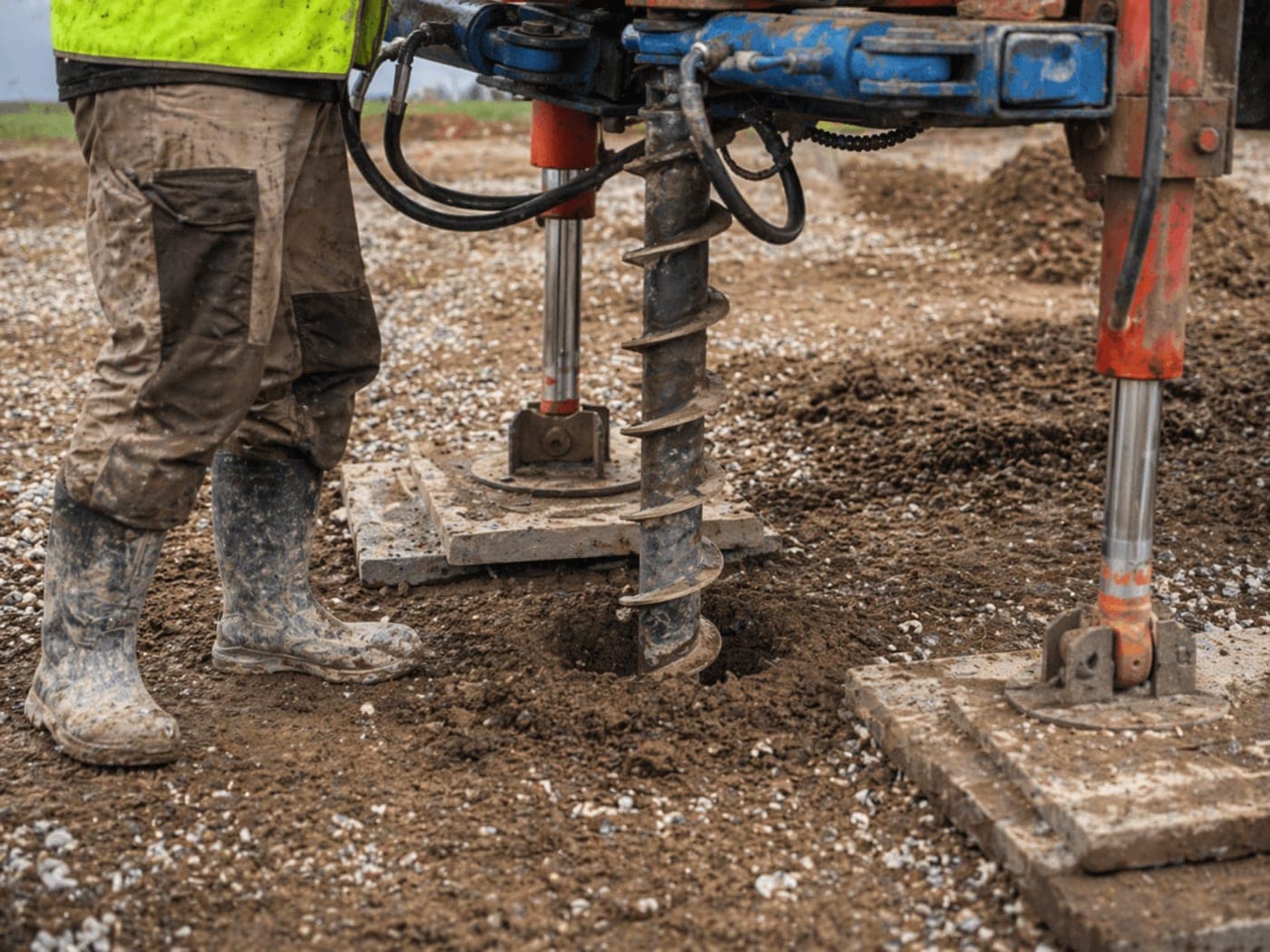
Construction in southern Idaho follows a seasonal rhythm. Winter slows everything down with frozen ground, shorter days, and crews focused on indoor work. By April, conditions shift. Soil temperatures rise, concrete can cure properly, and outdoor work becomes reliable again.
Starting your project in April typically means you can expect a finished unit by late summer or early fall, depending on scope. That timing matters because fall and winter are strong rental seasons in Twin Falls, when families relocating for work, students, and traveling professionals are actively searching for housing.
The demand side of the equation is well documented. According to the Idaho Department of Labor, Idaho's population grew faster than any other state from 2020 to 2025, adding over 190,000 new residents. Twin Falls County specifically added at least 1,000 new residents in 2025 alone. That kind of sustained growth keeps housing demand elevated year-round.
There is also a contractor availability factor most people do not consider. April sits right before the summer rush, when every remodeler, excavator, and concrete crew in the Magic Valley is booked solid. Getting on a quality builder's schedule in April is meaningfully easier than trying to do it in June or July.
The Real Numbers: What an ADU Can Earn in Twin Falls
A 600 square foot detached ADU in Twin Falls can realistically rent for $900 to $1,100 per month. A 400 square foot garage conversion often lands in the $700 to $900 range. Current rental market data shows average one-bedroom rents in Twin Falls at approximately $1,110, which supports these ranges.
If your all-in construction cost lands around $120,000 (a reasonable benchmark for a quality detached unit built to current code, based on our project experience in the Magic Valley), and you are carrying a construction loan at current rates, that monthly rental income covers a significant portion of your debt service from day one. Some homeowners are cash-flow positive within the first year after accounting for financing costs.
Rental income is not the only financial upside. Based on our experience and comparable sales data in the region, a well-permitted, well-built ADU can add meaningful appraised value to a property. The exact amount depends on unit size, finish level, lot characteristics, and what comparable ADU sales exist in the area. As more ADUs are built in Twin Falls and comp data grows, appraisers will have stronger support for documenting that value.
What the April-to-Fall Build Timeline Actually Looks Like
One of the biggest misconceptions we hear from homeowners is that an ADU project takes "at least a year." That is sometimes true if you start late or get caught in a permit backlog. Starting in April changes the math considerably. Here is a realistic sequence for a well-managed detached ADU project.
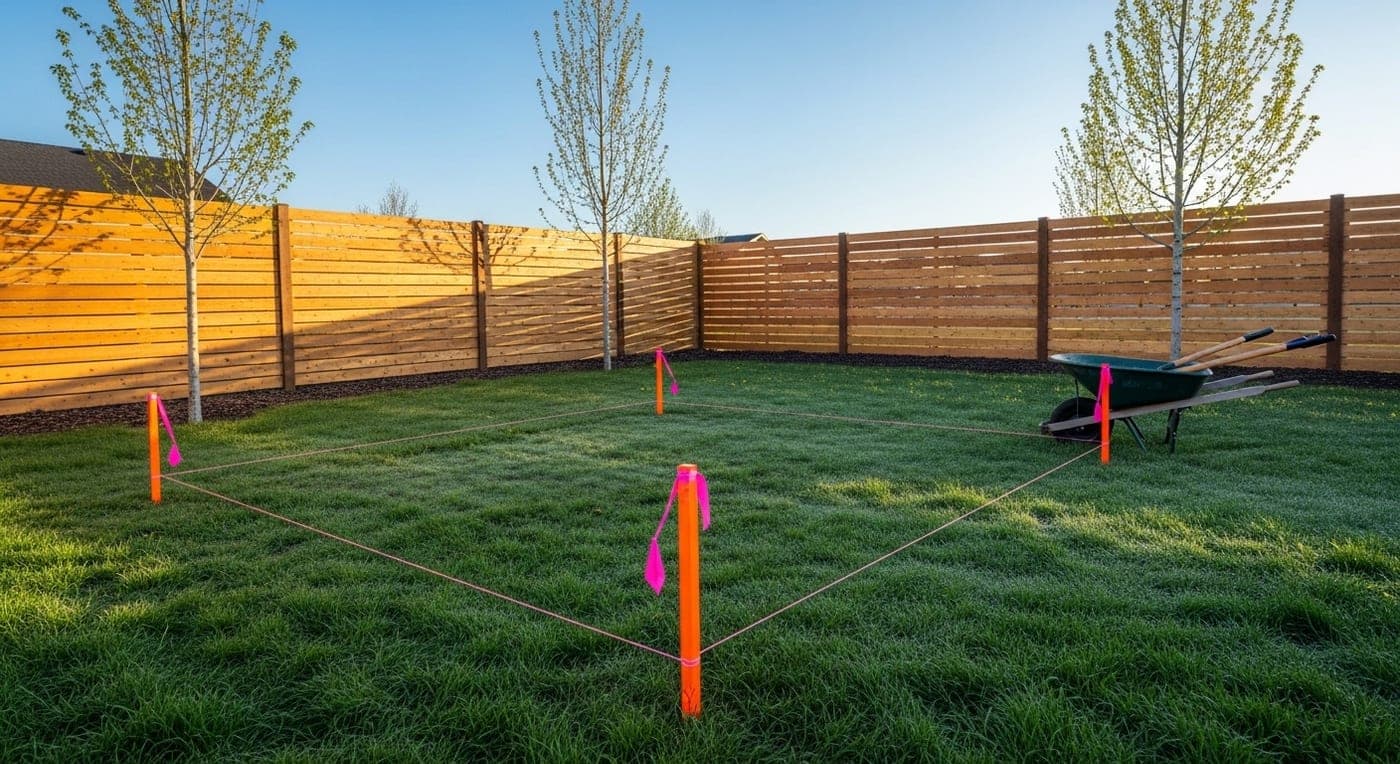
April, weeks 1 to 2. Feasibility check completed. This step confirms your lot size, setbacks, utility connections, and zoning compliance. It is where you find out what is actually possible before spending a dollar on design.
April, weeks 3 to 6. Design drawings completed. For a pre-designed or pre-fab unit, this phase can compress significantly. Custom designs take longer but give you more flexibility.
May. Permit application submitted to the City of Twin Falls Building Department. Processing typically runs four to six weeks for a complete application.
June. Permit in hand. Site prep begins. Foundation work and utility connections are coordinated with local providers.
July to August. Framing, rough mechanicals, insulation, and drywall. This is the bulk of the construction phase for most standard ADU designs.
September. Finish work, inspections, and final certificate of occupancy. Your unit is ready to list.
That is a realistic April-to-September timeline for a project with no major surprises. It assumes your feasibility check is done early and your design decisions do not drag. The homeowners who hit those timelines are the ones who start early in the season rather than mid-summer.
Why Earlier Is Better (Without the Panic)
We are not going to tell you that missing April means your project is doomed. It does not. But there are real, practical reasons why starting sooner produces better outcomes.
Permitting moves faster. The Twin Falls County Building Department and city permit offices see their heaviest volume in June and July, when commercial projects, remodels, and new home permits stack up. An application submitted in May will almost always move through review faster than the same application submitted in July.
Contractor schedules have room. Quality contractors in the Magic Valley book out quickly once summer hits. April conversations turn into May starts. July conversations often turn into "we can get to you in October."
You capture peak rental season. A unit finished in September or October hits the market when demand is strong. A unit finished in January hits the market when fewer people are actively looking.
Pre-fab lead times are real. If you are considering a pre-fab or modular ADU, manufacturers have production queues. Ordering in April means your unit ships in summer. Ordering in July might mean a fall delivery that pushes your certificate of occupancy into winter.
The compounding effect is straightforward. Starting two months earlier means your unit could begin generating income two months sooner. Over the first year, that can mean an extra $2,000 or more in rental income, and over the life of the investment, the earlier start compounds.
Construction Costs and Financing Options
Costs vary depending on type and finish level. Based on our project experience in the Twin Falls area, garage conversions often run $60,000 to $90,000. Detached new-construction units typically range from $110,000 to $175,000 or more. Pre-fab options can come in below those figures when the site is well-suited for installation.
On the financing side, several paths work well for ADU projects. Fannie Mae allows borrowers to use renovation loans to construct a new ADU on a one-unit property. Freddie Mac's CHOICERenovation mortgage serves a similar function. The FHA now allows lenders to count ADU rental income during underwriting, with up to 75 percent of estimated rental income countable for existing ADUs and 50 percent for planned new units. HELOCs, cash-out refinances, and construction-to-permanent loans are also common tools.
The right structure depends on your equity position, credit, and how you plan to use the unit. Starting the financing conversation early, in parallel with feasibility and design, keeps your timeline tight.
Ready to Find Out What Your Property Can Do?
If you are a Twin Falls homeowner who has been thinking about an ADU, April is a strong time to take the first step. Twin Falls ADU Guys offers a free Readiness Call that takes 10 to 15 minutes. We will ask about your lot, your goals, and your timeline, then tell you honestly whether what you are picturing is realistic. If it is, we walk you through the next step. If it is not, we tell you that too.
We also offer a more detailed feasibility check that covers zoning, setbacks, utility access, lot coverage, and budget expectations. It is the step that tells you what is actually possible before you spend money on design or permitting.
We serve homeowners across Twin Falls, Jerome, Burley, Rupert, Filer, Buhl, Kimberly, Gooding, and Hagerman. You can schedule your Readiness Call at twinfallsaduguys.com or call us directly at (208) 613-9830.
Frequently Asked Questions
Do I need a large lot to build an ADU in Twin Falls?
Not necessarily. Many standard residential lots in Twin Falls can accommodate a detached ADU or garage conversion once setback requirements and lot coverage limits are reviewed. A feasibility check will confirm what your specific property allows before you invest in design or permitting.
How much does a typical ADU build cost in Twin Falls?
Garage conversions often run $60,000 to $90,000. Detached new-construction units typically range from $110,000 to $175,000 or more depending on size, finishes, and site conditions. Pre-fab options can come in below those figures when the site is well-suited. Getting a realistic budget estimate early is one of the most useful things you can do before committing to a direction.
Can I finance an ADU build without using all my savings?
Yes. Construction loans, HELOCs, cash-out refinances, and renovation loans from Fannie Mae and Freddie Mac all work well for ADU projects. The FHA now allows lenders to count ADU rental income toward your loan qualification, which can meaningfully expand your borrowing capacity. The right structure depends on your equity position and how you plan to use the unit.
How long does the Twin Falls permitting process take?
For a complete application submitted in the spring, four to six weeks is a reasonable estimate. Incomplete applications or those with zoning complications can take longer. Working with a designer or contractor who is familiar with the local process helps avoid the back-and-forth that delays approvals.
What is a feasibility check and why does it come first?
A feasibility check is a structured review of your property's potential for an ADU. It covers zoning, setbacks, utility access, lot coverage, and basic cost expectations. It is the step that tells you what is actually possible before you spend money on design or permitting, and it is where most homeowners realize their project is more achievable than they assumed.
Is it too late to start if I am reading this in May or June?
No. The April-to-September timeline in this post is the ideal scenario, but projects that start in May or June can still finish before winter, especially garage conversions and pre-fab installations. The later you start, the more important it becomes to have your feasibility, design, and financing lined up quickly so you do not lose weeks in the decision-making phase.
Twin Falls ADU Guys Team
Twin Falls ADU Guys