The Part Most Homeowners Don't See Coming
If you're planning a twin falls adu, you've probably spent a lot of time thinking about floor plans, permits, and budgets. What most people don't think about until it's too late is the underground stuff: water, sewer, and electricity. These dry utility connections are often the biggest surprise cost on the entire project.
We've seen homeowners budget $80,000 for a backyard cottage and then discover their sewer lateral is too far, their electrical panel is maxed out, or the city requires a full meter upgrade. None of those things are deal-breakers, but all of them require planning ahead. This checklist is designed to walk you through exactly what to look at before you commit to anything.
Why Dry Utilities Are the Foundation of Any Twin Falls ADU Project
The term "dry utilities" is a little misleading because it includes water and sewer along with gas and electricity. In the ADU world, it refers to the infrastructure connections your new unit needs to function as a legal, livable space. Without them properly permitted and installed, your unit cannot receive a certificate of occupancy.
In Twin Falls, ID, the city requires separate utility connections or clearly documented shared service agreements for any ADU. This matters because a shared meter situation affects how you bill tenants, how you qualify for adu financing twin falls lenders offer, and how future buyers or appraisers value the property. Getting this right from day one saves you serious headaches later.
According to the National Association of Home Builders, utility connection costs are among the top three factors that determine total ADU project feasibility, often ranging from $8,000 to $30,000 depending on site conditions and local requirements. That's a wide range, and where you land on it depends on what's already at your property.
Water Connection: What to Check First
Start by finding out whether your existing water service line has the capacity to serve a second unit. In most Twin Falls neighborhoods, a 3/4-inch line serves a single-family home adequately. If your ADU adds meaningful square footage and fixtures, the city may require you to upsize to a 1-inch line.
Here is what you need to verify before your permit application:
- Existing line size: Pull your property records or call Twin Falls city utilities to confirm what's currently running from the meter to your home.
- Meter capacity: Twin Falls utilities will assess whether your current meter can handle the added load. A new ADU meter can cost $2,500 to $6,000 installed, depending on distance from the main.
- Tap fees: If the city determines your ADU qualifies as a separate dwelling with its own meter, expect a tap fee. These vary by meter size and service district, so get this number in writing early.
- Backflow prevention: Required on all new residential connections. Budget $150 to $400 for the device and installation.
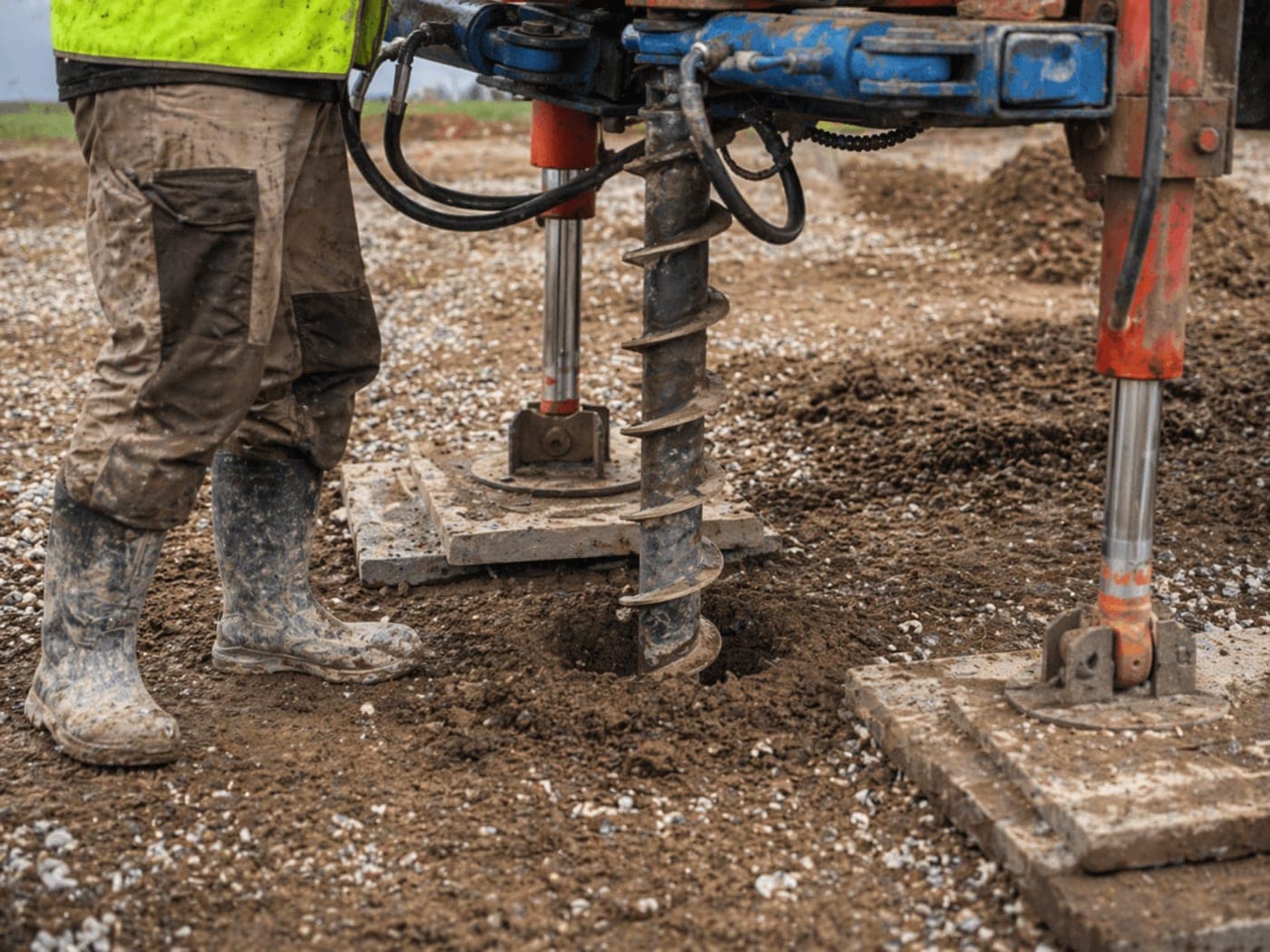
One thing we always recommend: have a licensed plumber run a camera through your existing service line before you finalize any design. A cracked or undersized line will need to be addressed regardless of the ADU, and knowing that upfront lets you roll it into your financing plan cleanly.
Sewer Connection: The Detail That Sinks Budgets
Sewer is where the biggest surprises tend to live. In Twin Falls, if your ADU is within a certain distance of the existing sewer lateral and can tie in without a pumping system, you're in good shape. If it can't, you're looking at either a lift station or a longer lateral run, both of which add cost and complexity.
Here are the key questions to answer:
- Where is your existing lateral? Mark it on your site plan. If the ADU is on the opposite side of the property, a new lateral may be required.
- What is the depth and slope? Sewer requires a minimum slope (typically 1/4 inch per foot) to drain by gravity. Flat lots or lots with unusual grading may require engineered solutions.
- Is the existing lateral in good condition? A camera inspection costs $200 to $500 and can save you from discovering a collapsed line mid-construction.
- Does the city require a separate connection? Some jurisdictions do; Twin Falls reviews this on a case-by-case basis. Know before you design.
If you're working through the full permitting process, our guide on Spring ADU Permitting: Timeline and Twin Falls Guide walks through how utility approvals fit into the broader permit timeline so nothing falls through the cracks.
Electrical and Gas: Panel Capacity and Service Upgrades
Your electrical panel is often the first thing a contractor checks. Most homes in Twin Falls built before 2000 have a 100-amp or 150-amp service panel. A 600 square foot ADU typically draws an additional 40 to 60 amps depending on whether it has electric appliances, a heat pump, or EV charging. If your existing panel is at or near capacity, you'll need an upgrade.
A panel upgrade in Idaho typically runs $1,500 to $3,500 for the panel itself, not counting any subpanel or new service entrance costs. If Idaho Power requires a new service drop or meter pedestal for the ADU, that cost is separate and can range from $1,200 to $4,000 depending on the run length and whether trenching is required.
According to the ENERGY STAR program, homeowners who upgrade electrical panels as part of a renovation project may qualify for federal tax credits under the Inflation Reduction Act. Worth asking your accountant about before you finalize the scope of work.
For gas: if your ADU will have a gas range, dryer, or furnace, you'll need to verify that your existing gas line has adequate pressure and diameter to serve the new unit. In many Twin Falls neighborhoods, this is straightforward. In older parts of town, it sometimes requires a new service run from the street. Intermountain Gas is your utility here, and they will need to inspect and approve the connection before occupancy.
This is also a good time to think about whether you want to go all-electric in your ADU. Heat pumps are efficient, qualify for rebates, and simplify the utility picture considerably. We see more and more ADU owners in adu twin falls projects going this route, especially for new construction where you're not tied to existing infrastructure.
How to Use This Checklist Before You Start Building
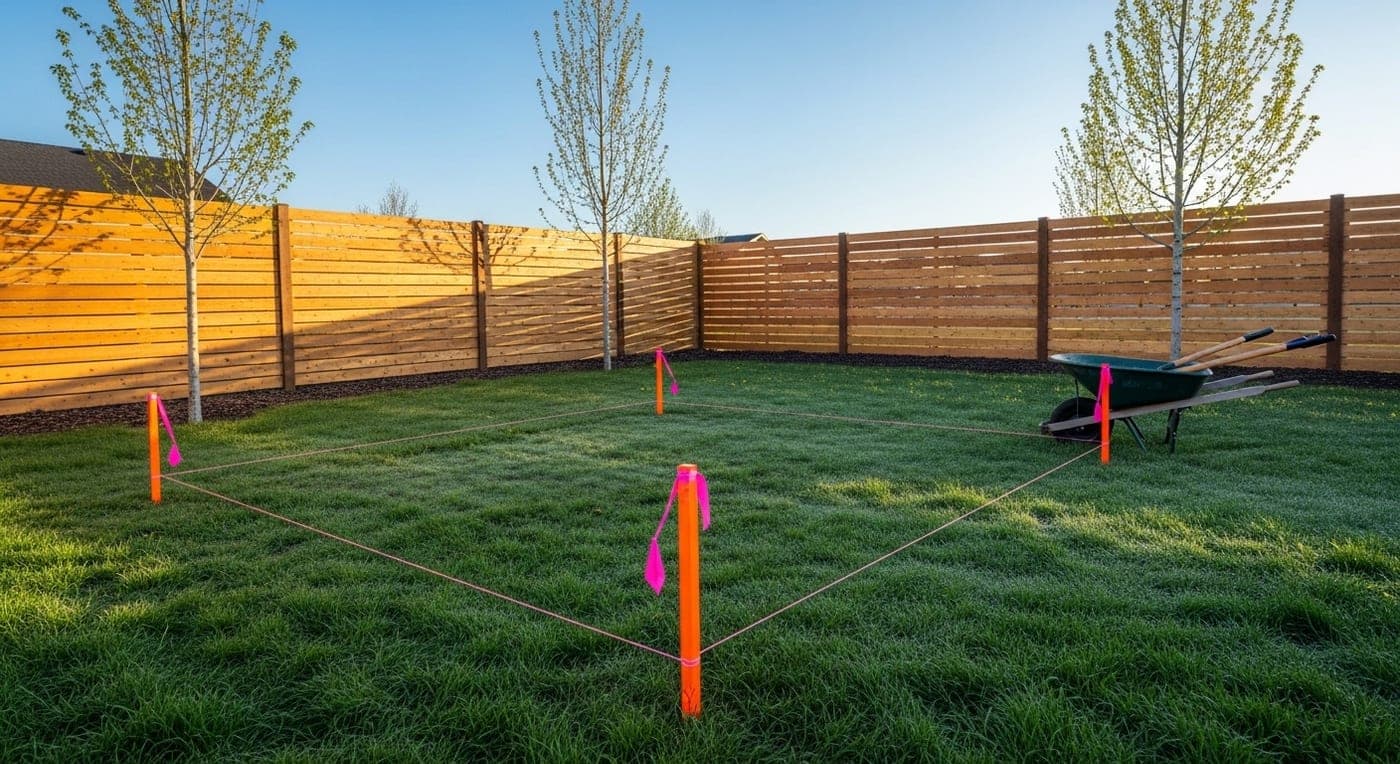
The smartest thing you can do with this information is run a proper feasibility check before spending money on design or permits. At Twin Falls ADU Guys, our feasibility process is specifically built to surface utility issues early. We pull city records, walk the site, and give you a clear picture of what your connections will actually cost before you're committed to a design.
If you're weighing the timing of your project, check out Why April Is a Smart Time to Start Your Twin Falls ADU Project. Utility crews and city inspectors both have shorter queues in spring compared to summer, which can shave weeks off your timeline.
And if budget is the thing holding you back, read through 5 ADU Financing Myths That Stop Twin Falls Homeowners From Building. Utility connection costs, for example, are often financeable through construction loans or HELOCs, meaning you don't have to write a big check out of pocket. Understanding adu financing twin falls options early keeps those surprises manageable.
A well-planned twin falls adu that rents for $900 to $1,100 a month can generate enough income to cover most of its own construction financing. But that math only works if you've accounted for the real cost of getting utilities to the unit. Skipping this step is the most common reason projects stall out halfway through.
Frequently Asked Questions About ADU Dry Utilities in Twin Falls
Q: Do I need a separate water meter for my ADU in Twin Falls?
Not always. Twin Falls reviews ADUs on a case-by-case basis. Some shared-meter arrangements are approved, particularly for attached ADUs or garage conversions. Separate meters are more common for detached units, especially if you plan to rent to a third party. Your feasibility check will clarify which applies to your property.
Q: How much should I budget for utility connections on a typical Twin Falls ADU?
A reasonable planning estimate for a detached ADU with new or upgraded water, sewer, and electrical connections is $12,000 to $22,000. That range tightens significantly once you've done a site assessment. Properties with existing laterals close to the planned ADU footprint and updated panels tend to land on the lower end.
Q: Can utility connection costs be included in my ADU construction loan?
Yes, in most cases. Construction loans and renovation loans like the FHA 203(k) or Fannie Mae HomeStyle can include site work and utility connections as part of the financed scope. This is one of the key advantages of working with a lender familiar with ADU projects specifically.
Q: What happens if my lot fails a sewer slope or capacity check?
It's not a hard stop, but it does require an engineered solution, typically a sewage ejector pump or a grinder pump system. These add $3,000 to $7,000 to the project but are common in areas with flat topography. We've navigated this on multiple Twin Falls properties without derailing the overall project.
Q: Should I hire a general contractor or work with an ADU-specific company for the utility work?
Either can work, but an ADU-specific company already has relationships with city inspectors, utility contacts, and licensed subcontractors who understand ADU requirements. At Twin Falls ADU Guys, we coordinate all dry utility work as part of our full-service build process, which means fewer surprises and faster approvals. Reach out to us and we'll walk through your property's specific situation at no cost.
Twin Falls ADU Guys Team
Twin Falls ADU Guys